
Lawn Care Services in Cedar Park, TX
Turf health, soil condition, and seasonal care for properties that were designed to be looked at.
A landscape is an investment, and turf is the largest surface in it. Beds get attention, stonework gets admired, and the lawn is what everything else is seen against. When it thins, patches, or yellows, the whole design reads as neglected even when every other element is intact.
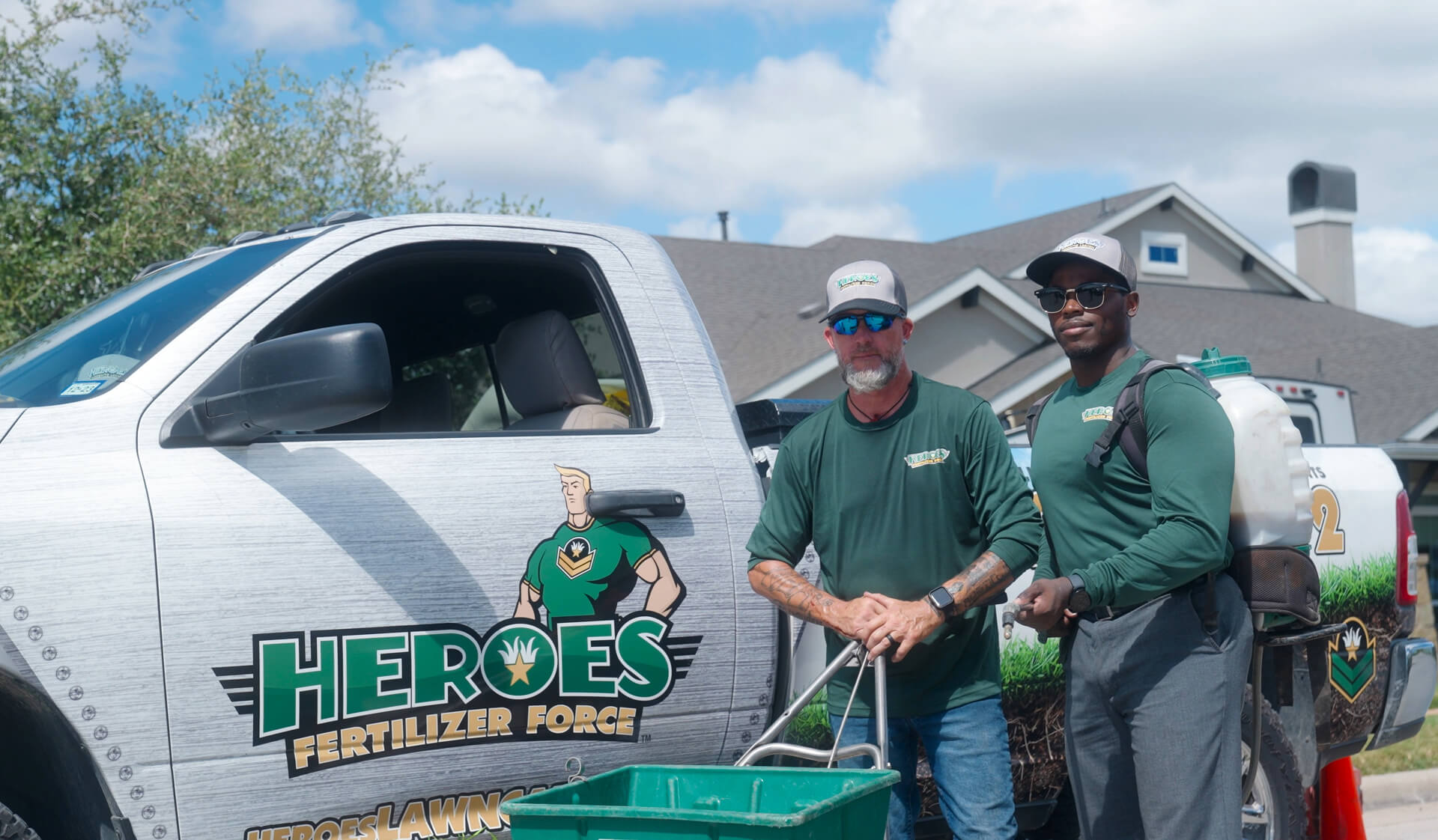
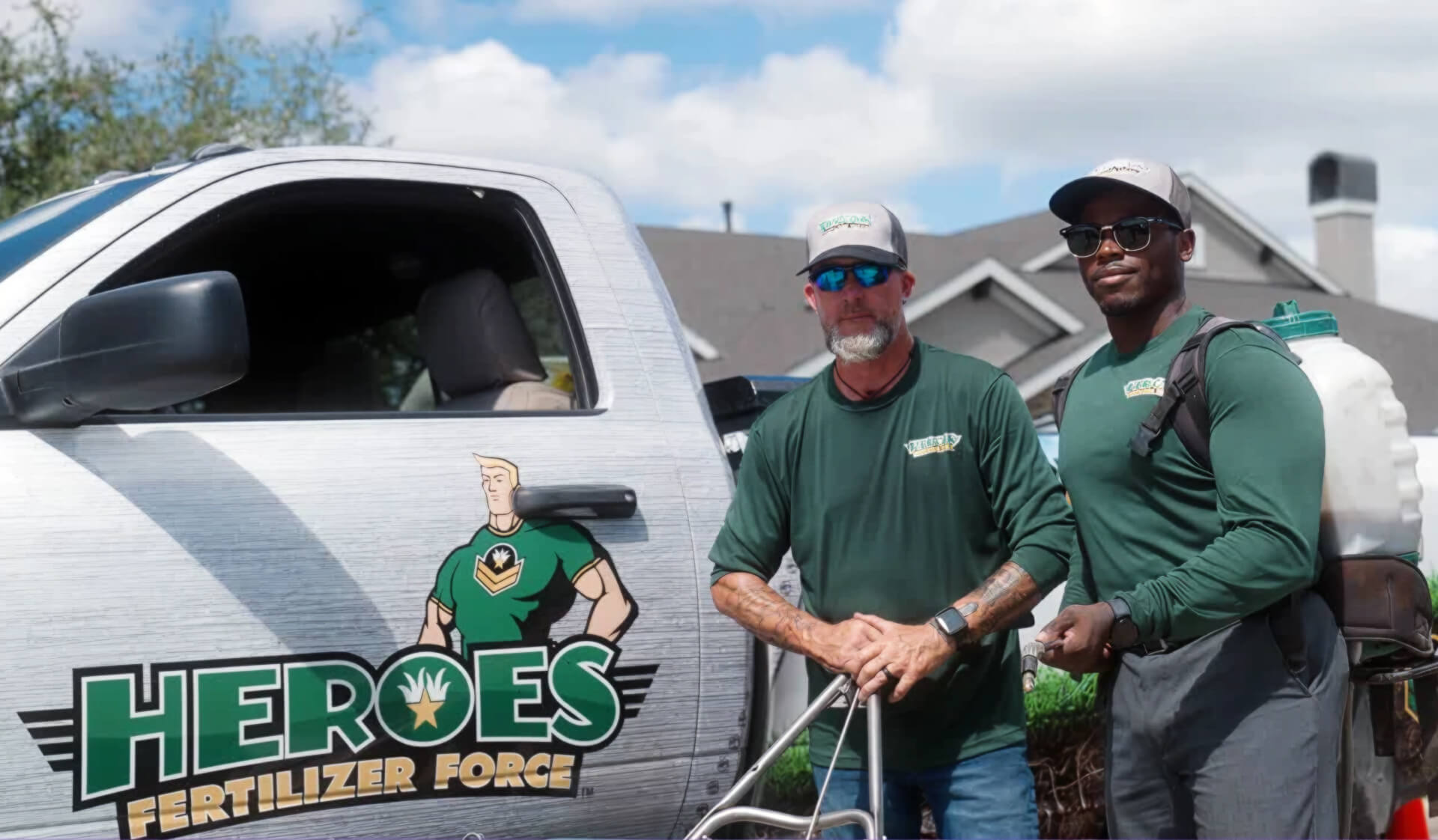
Heroes Lawn Care of Cedar Park approaches lawn care as the maintenance layer that keeps a designed property performing. Our work is agronomic rather than cosmetic: what the soil is doing, what the turf needs this season, and what has changed since the landscape went in. For homeowners across Cedar Park, Leander, Round Rock, and Georgetown, that is the difference between a lawn that holds its appearance for years and one that has to be renovated every few seasons.
Why austin metropolitan area Soil Decides How Your Lawn Performs
Cedar Park sits on a seam. The eastern side of town trends toward Blackland Prairie clay, dark and fertile and highly expansive. Move west toward Leander and the Edwards Plateau pushes limestone and caliche close to the surface. Plenty of properties have both, sometimes in the same yard.
That single fact governs almost everything. Expansive clay swells with water and shrinks in drought, compacting as it cycles and closing the pore space roots depend on. Caliche drains fast and holds few nutrients, so feeding passes straight through. A lawn struggling on one soil needs the opposite intervention from a lawn struggling on the other, which is why a program copied from a national schedule underperforms here regardless of how diligently it is followed.
We assess soil condition before recommending a program, because the correct answer on your property is not knowable from the street.
Fertilization Programs Timed to the Cedar Park Growing Season
Warm-season turf responds to feeding while it is actively growing. In Austin Metropolitan Area that window runs roughly spring through early fall, and it opens on soil temperature rather than the calendar. Fertilizer applied to dormant turf largely feeds the weeds competing with it.
Our Fertilizer Force program schedules applications around those windows and adjusts the blend to what the soil is short of rather than applying the same product everywhere. Nitrogen drives top growth, but a lawn thinning under heat is often short of potassium or sitting at a pH that locks nutrients away where roots cannot reach them. Feeding more of the wrong thing is the most common reason a program stalls.
Weed, Insect, and Disease Control for Established Landscapes
Weeds are usually a symptom. Thin turf leaves open ground, and open ground is an invitation, so control work that ignores why the turf thinned buys one clean season and no more. We treat the pressure and the underlying condition together.
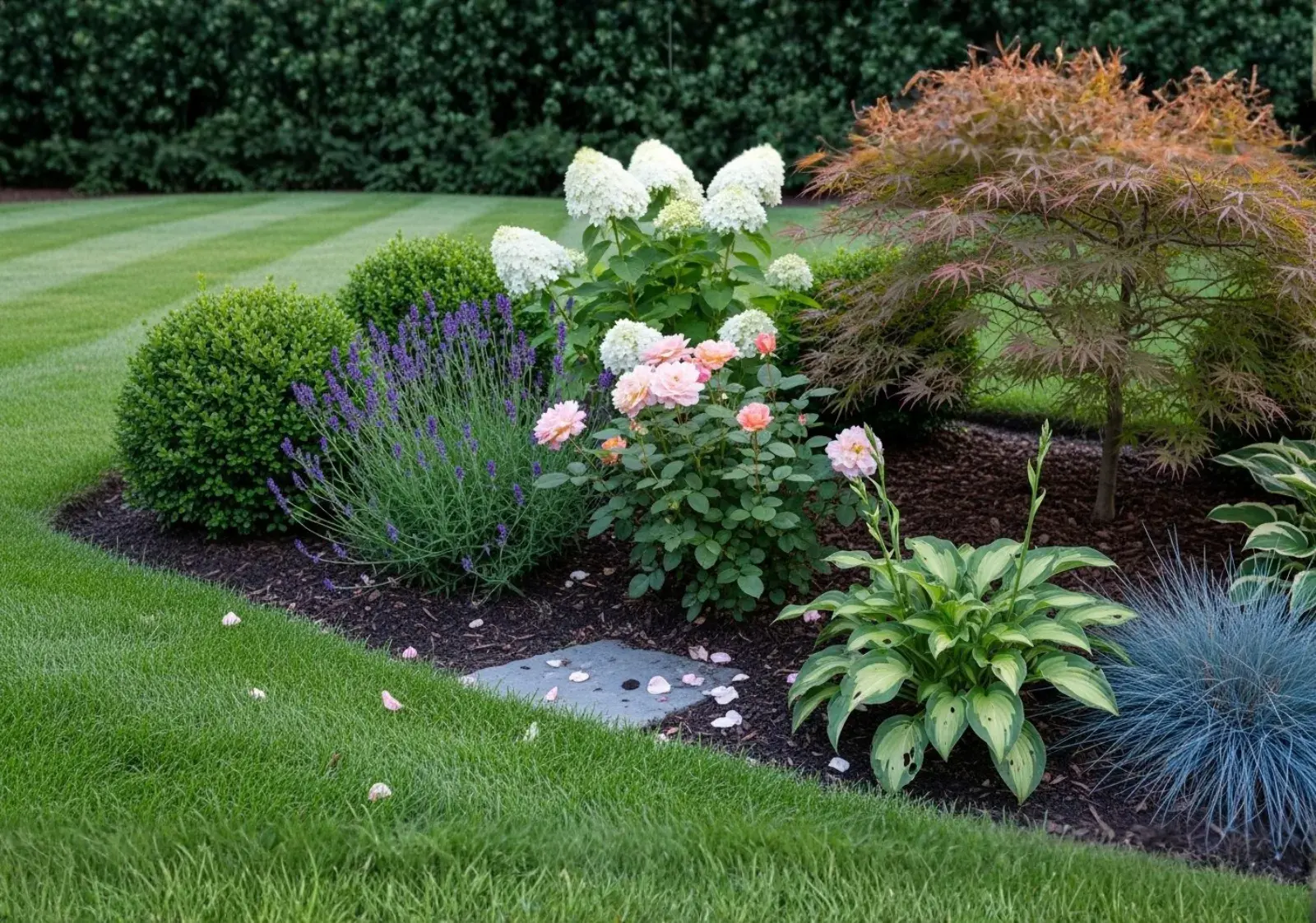
Austin Metropolitan Area brings its own pressures: chinch bugs in St. Augustine through the hottest stretch, grub damage that shows as turf lifting away from the soil, and brown patch in the humid shoulder seasons. Each presents as general decline and each needs a different response, which is why identification matters more than product selection. Treatments are applied at label rates by trained technicians, and we work carefully around planting beds so control work in the lawn does not damage what is growing beside it.
-
"They are dependable, responsive and knowledgeable about what it takes to keep my lawn perfect. Overall, great to work with."- Spencer C.

Core Aeration and Soil Recovery for Compacted Clay
Compaction is the quiet problem. Roots cannot reach depth, water sits at the surface and evaporates, and fertilizer never gets where it is useful. By July a compacted lawn is stressed no matter how much it is watered, and the usual response is to water more, which compounds it.
Core aeration pulls plugs from the soil and opens it to air, water, and nutrients. On expansive clay it is one of the few interventions that changes the underlying condition rather than treating the surface. Done at the right point in the season and followed with the right amendment, it does more for long-term appearance than any product applied on top.
Seasonal Lawn Care That Works With Your Irrigation and Planting
Turf does not sit in isolation. Sprinkler coverage that was correct when the system went in often is not after beds mature and trees fill out, and uneven distribution produces dry streaks that look convincingly like disease. Shade patterns shift as plantings establish, and a turf variety chosen for full sun will thin under canopy that did not exist three years ago.
Because our team also handles irrigation and landscape work, we look at those relationships rather than treating the lawn as a separate account. Correcting a coverage problem frequently improves appearance faster than anything applied to the turf, and it costs less.
Lawn Care Service Features
- Soil assessment and condition monitoring across the growing season
- Fertilization programs built on soil need rather than a fixed schedule
- Weed, insect, and disease control applied at label rates by trained technicians
- Core aeration and soil recovery for compacted Austin Metropolitan Area clay
- Seasonal adjustment as shade, irrigation, and plantings change
Eco-Conscious Process — Environmentally responsible products and methods that protect the lawn and everything growing around it.
Quality Guarantee — On-the-job quality assurance before any visit is called complete.
Right-Sized Estimates — A program scoped to what your property needs, not pushed toward the largest version.
Licensed Professionals — Trained technicians working under current state licenses, backed by BBB accreditation.
Request a free estimate or call our Cedar Park team at (512) 764-0839.


------------------------------------------------------------------------------------------------------------------

Explore Our Family Of Brands




.2408271112489.png "Groovy Hues")