
How to Aerate Your Lawn Effectively in Northwest of Downtown Austin
Aeration is one of the most technically important lawn care practices for homeowners in the northwest area of downtown Austin, where soil conditions and climate patterns create persistent challenges for turf performance. The region’s clay-heavy soils tend to compact easily, especially under regular foot traffic and mowing activity, reducing the ability of air, water, and nutrients to move freely through the soil profile. Over time, this compaction limits root development, weakens grass density, and makes lawns more vulnerable to heat stress and drought conditions.
To aerate effectively, it is essential to understand that aeration is not just about creating holes in the soil, but about restoring balance within the root zone. By applying proper techniques and aligning them with local conditions, homeowners can significantly improve the grass root oxygenation process, enhance nutrient absorption, and create a stronger, more resilient lawn that performs consistently throughout the year.
Understanding When and Why to Aerate
The effectiveness of aeration depends heavily on timing and purpose. In northwest Austin, aeration should be aligned with periods of active grass growth, allowing the lawn to recover quickly and take full advantage of improved soil conditions. Performing aeration during these growth cycles ensures that roots can expand into newly created channels, maximizing the benefits of the treatment.
Soil compaction relief treatments are particularly important in this region due to the density of clay soils and environmental stress factors. By relieving compaction, aeration allows water to penetrate more deeply, reduces runoff, and improves overall turf health improvement services. Recognizing when the lawn shows signs of compaction—such as poor drainage, thinning grass, or uneven growth—is key to determining the right time to aerate.
Choosing the Right Aeration Method
Selecting the appropriate aeration method is critical for achieving effective results. Lawn core aeration services are widely regarded as the most reliable technique, as they remove small plugs of soil to create pathways for improved airflow and water movement. This method is particularly effective in compacted soils, where surface-level treatments may not provide sufficient relief.
Deep soil aeration treatment offers an advanced approach by targeting compaction at multiple depths within the soil profile. This ensures that improvements extend beyond the surface, creating a more comprehensive solution for root development and nutrient distribution. Yard soil loosening services can also be integrated to further enhance soil structure and improve overall performance.
Enhancing Aeration with Overseeding
Aeration becomes significantly more effective when combined with overseeding, a process that introduces new grass seed into the existing lawn. Lawn aeration and overseeding work together to improve turf density, fill in bare areas, and enhance overall lawn appearance.
The channels created during aeration provide ideal conditions for seed-to-soil contact, increasing germination rates and promoting uniform growth. This integration is a key component of lawn revitalization services, ensuring that aeration contributes to both structural improvement and visible results.
Step-by-Step Approach to Effective Aeration
Aerating a lawn effectively requires a structured process that ensures consistent coverage and optimal results. The first step involves preparing the lawn by ensuring that the soil is slightly moist, which allows aeration equipment to penetrate more easily. Next, aeration should be performed systematically across the entire lawn, ensuring even distribution of holes or soil plugs.
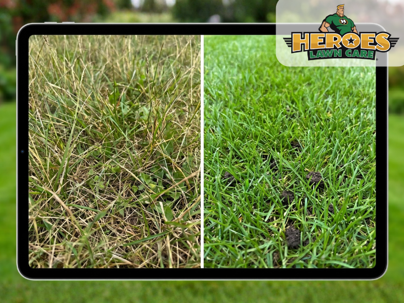
Following aeration, it is important to leave the extracted soil plugs on the surface, where they will break down naturally and contribute to improved soil composition. This process enhances the grass root oxygenation process and supports ongoing soil health improvement. Seasonal lawn aeration service practices emphasize repeating this process at appropriate intervals to maintain consistent results.
Maximizing Long-Term Lawn Health
Aeration is most effective when integrated into a broader lawn care strategy that includes proper irrigation, fertilization, and mowing practices. By improving soil structure, aeration enhances the effectiveness of these additional treatments, allowing nutrients and water to reach the root zone more efficiently.
Professional turf aeration programs often incorporate regular aeration as part of a long-term maintenance plan, ensuring that soil conditions remain optimal and compaction does not reoccur. This approach supports consistent turf health improvement services and reduces the need for corrective interventions over time.
Common Mistakes to Avoid
One of the most common mistakes in aeration is performing the process at the wrong time or using ineffective methods that do not address compaction adequately. Shallow or uneven aeration can fail to produce meaningful results, leaving underlying issues unresolved.
Avoiding these mistakes requires a clear understanding of local conditions and proper technique. By following best practices and, when necessary, consulting professional turf aeration specialists, homeowners can ensure that aeration is performed effectively and consistently.
Building a Sustainable Aeration Routine
A sustainable aeration routine involves scheduling treatments at regular intervals and adapting them to changing lawn conditions. By incorporating aeration into a structured maintenance plan, homeowners can maintain a balanced soil environment that supports long-term growth and resilience.
This approach ensures that aeration remains a proactive rather than reactive practice, contributing to a healthier and more stable lawn over time.
Conclusions
Learning how to aerate your lawn effectively in the northwest area of downtown Austin requires a combination of proper timing, appropriate techniques, and integration with broader lawn care practices. By implementing lawn core aeration services, deep soil aeration treatment, and lawn aeration and overseeding strategies, homeowners can significantly improve soil structure and turf performance.
Aeration enhances the grass root oxygenation process, supports nutrient absorption, and creates conditions for sustained lawn health. When applied consistently and strategically, it becomes a central component of effective lawn care, delivering both immediate improvements and long-term benefits.