
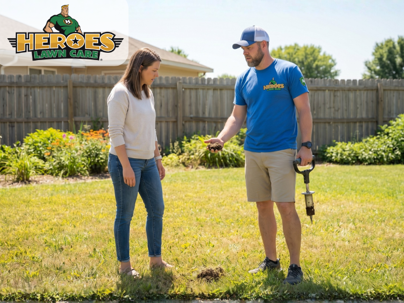
When to Aerate Your Lawn in Round Rock, TX
Aeration timing is one of the most critical factors in determining whether a lawn simply survives or reaches its full performance potential in Round Rock, TX. The region’s clay-heavy soils, combined with intense summer heat and seasonal moisture variability, create conditions where soil compaction develops quickly and limits the effectiveness of standard lawn care practices. When aeration is performed at the wrong time, the benefits are significantly reduced, as the lawn may not be able to recover efficiently or take advantage of improved soil conditions.
Understanding when to aerate involves aligning the process with the lawn’s natural growth cycles and environmental conditions. Proper timing enhances the grass root oxygenation process, improves nutrient absorption, and supports long-term turf health. By applying aeration strategically, property owners can maximize the effectiveness of soil compaction relief treatments and create a more resilient and consistent lawn.
Identifying the Right Time Based on Growth Cycles
The most effective time to aerate a lawn is during periods of active grass growth, when the turf is capable of recovering quickly and expanding into newly created soil channels. In Round Rock, TX, warm-season grasses dominate, making late spring and early summer ideal for seasonal lawn aeration service applications. During this time, the lawn is actively growing, allowing roots to take full advantage of improved soil conditions.
Lawn core aeration services performed during these growth cycles provide optimal results, as the soil is more responsive and roots can expand more effectively. Timing aeration correctly ensures that the benefits of yard soil loosening services are fully realized, leading to stronger root systems and improved turf performance.
Signs Your Lawn Needs Aeration
In addition to seasonal timing, recognizing physical indicators of soil compaction is essential for determining when aeration is necessary. Lawns that exhibit poor drainage, thinning grass, or uneven growth patterns often require immediate attention. These symptoms indicate that the soil is restricting airflow and water movement, limiting the lawn’s ability to sustain healthy growth.
Soil compaction relief treatments become necessary when these signs appear, as they address the underlying structural issues that prevent effective nutrient absorption. Observing these conditions allows homeowners to apply aeration proactively rather than waiting for more severe damage to occur.
Evaluating Soil and Moisture Conditions
Soil moisture plays a significant role in the success of aeration. Ideally, the soil should be slightly moist but not overly saturated, allowing aeration equipment to penetrate effectively without causing excessive disruption.
Deep soil aeration treatment is most effective under these conditions, as it ensures consistent penetration and maximizes the impact of the aeration process. Proper evaluation of soil conditions helps ensure that aeration delivers meaningful and lasting improvements.
Seasonal Considerations for Round Rock Lawns
Seasonal variability in Round Rock, TX requires a flexible approach to aeration timing. While late spring and early summer are generally optimal, additional aeration may be beneficial in early fall, particularly for lawns that experience heavy use or persistent compaction.
Seasonal lawn aeration service strategies should be adjusted based on environmental conditions, ensuring that aeration aligns with periods of active growth and recovery. This adaptability allows for more consistent results and reduces the likelihood of stress on the lawn.
Enhancing Aeration Results with Complementary Practices
Aeration is most effective when combined with other lawn care practices that support soil health and turf development. Lawn aeration and overseeding, for example, provide a powerful combination that improves both soil structure and lawn density.
Professional turf aeration programs often integrate aeration with fertilization and irrigation adjustments, ensuring that improved soil conditions translate into visible and lasting results. This comprehensive approach enhances turf health improvement services and supports long-term lawn performance.
The Role of Professional Aeration Services
Professional services bring expertise and precision to the aeration process, ensuring that treatments are applied at the optimal time and under the right conditions. Turf aeration specialists evaluate soil composition, lawn condition, and environmental factors to determine the most effective schedule.
By leveraging professional knowledge, property owners can achieve more consistent and reliable results, ensuring that aeration contributes to both immediate improvements and long-term stability.
Building a Yearly Aeration Plan
A successful aeration strategy involves creating a yearly plan that incorporates seasonal timing, regular assessments, and complementary treatments. By scheduling aeration at appropriate intervals, homeowners can maintain optimal soil conditions and prevent compaction from reoccurring.
This structured approach ensures that aeration remains a proactive measure, supporting continuous lawn revitalization services and long-term turf health.
Conclusions
Knowing when to aerate your lawn in Round Rock, TX is essential for maximizing the benefits of aeration and achieving consistent lawn performance. By aligning aeration with growth cycles, recognizing signs of compaction, and adapting to seasonal conditions, property owners can create a more effective and sustainable lawn care strategy.
Through the use of lawn core aeration services, soil compaction relief treatments, and professional turf aeration programs, aeration becomes a key component of long-term lawn health. This strategic approach enhances root development, improves soil structure, and ensures that lawns remain resilient under varying environmental conditions.