

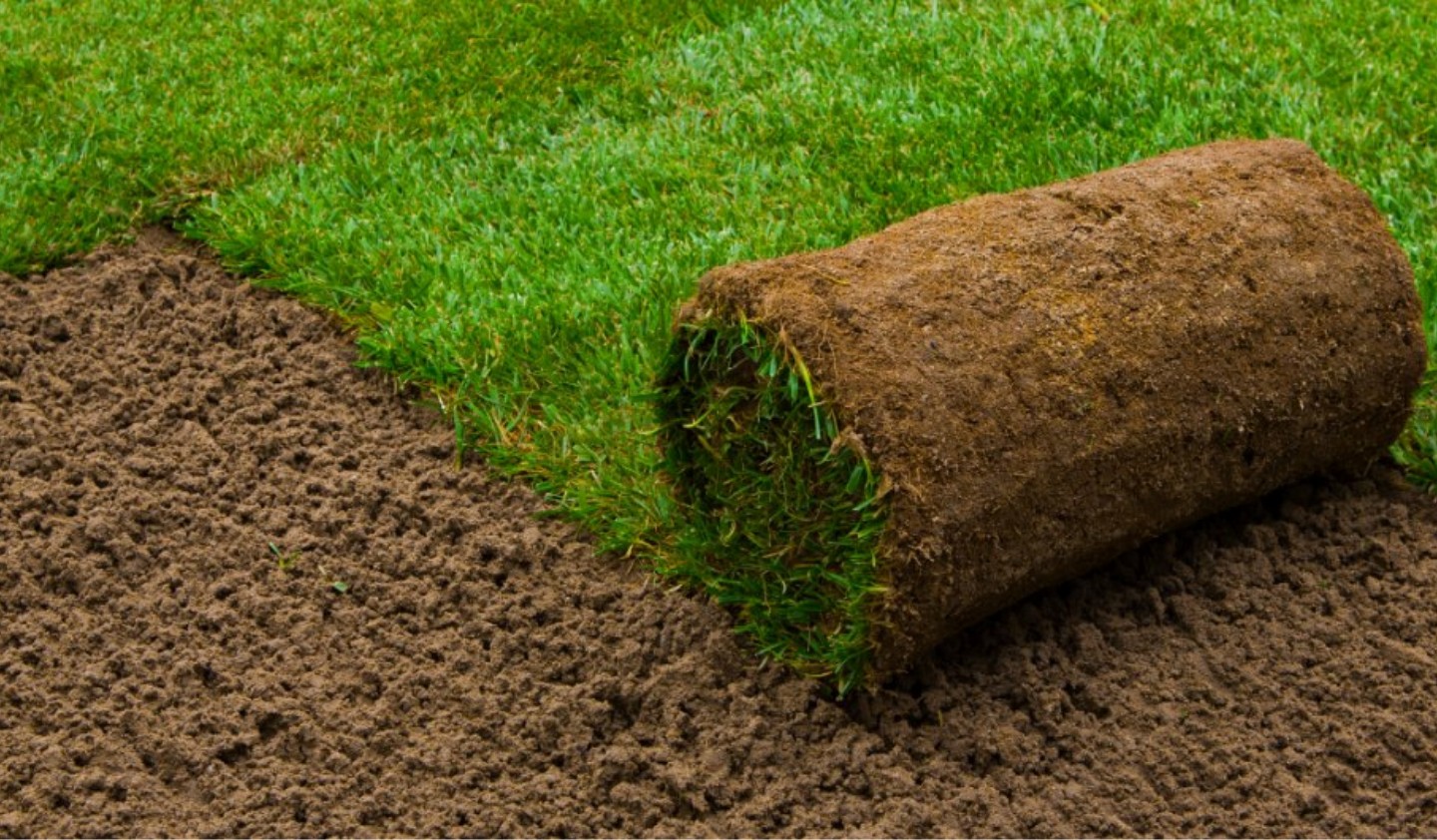
Sod Installation in Omaha
Get A Full, Green Lawn Without The Trial & Error
Staring at a thin, patchy lawn and wondering how to fix it quickly can be frustrating. If you want a full, green yard without months of seeding, watering, and guesswork, professional sod installation from Heroes Lawn Care of Omaha can be a smart solution. We handle the heavy work, the details, and the follow-up guidance so you can enjoy a fresh, healthy lawn with far less stress.
We understand that homeowners and property managers in Omaha have a short window to establish grass before hot summers and cold winters arrive. Our team plans sod projects with local conditions in mind so your new turf has the best chance to take root and thrive. From new construction lots to long-neglected lawns, we work to match the right plan to your property.
From bare dirt to a lush lawn in one day! Reach out online or call (402) 866-8934 for a free consultation.
How Our Sod Installation Process Works
When you understand what to expect, it is easier to feel confident about starting a sod project. Our process is designed to be straightforward and thorough so there are no surprises along the way. From the first visit to the final walkthrough, our team focuses on clear communication and careful work.
Step 1: Consultation & Complimentary Estimate
We start with a consultation where we look closely at your yard, including soil conditions, grade, sun exposure, and current turf. This helps us determine how much preparation is needed and what type of sod is a good fit. During this visit, we discuss your goals, answer your questions, and provide a complimentary estimate so you know what is involved before we begin.
For many properties in and around Omaha, this first visit is also when we talk through how sod installation fits with your broader landscaping plans. If you are planning patios, beds, or future trees, we can help you schedule sod work at the right point in the project so new turf does not get damaged or pulled up later. Taking a few extra minutes to coordinate timing can save you from paying twice for the same area.
Step 2: Site Preparation & Grading
Once you decide to move forward, we schedule your project and prepare your site. Our crews remove existing vegetation where needed, address bumps or low spots, and work to create a smooth, firm surface for the new sod. Attention to grading and soil contact is important because it affects how water moves through your yard and how well roots can grow.
In the Omaha area, we also keep an eye on how your yard slopes toward foundations, sidewalks, and driveways. Careful grading helps reduce water pooling near your home after heavy summer storms and can limit icy patches in low areas when temperatures drop. By shaping the surface correctly before sod goes down, we set up your new grass to handle rain, snowmelt, and everyday irrigation more predictably.
Step 3: Professional Sod Laying & Final Checks
On installation day, our technicians lay sod in a staggered pattern, fitting edges closely so seams are tight and coverage is even. We use professional tools and methods to help ensure that each piece makes good contact with the soil below. After the sod is down, we typically roll the surface to remove trapped air pockets and promote solid root contact, then complete an initial watering to help the new turf settle in.
As we work, we pay attention to details that can make a difference over the first season, such as aligning sod around sprinkler heads, hardscape edges, and landscape beds. Our team notes any areas that may dry out faster or stay wetter than others and can flag these for you so you know where to keep a closer eye during the first few weeks. This extra communication helps you adjust your care early instead of waiting until problems appear.
Before we finish, our team performs on-the-job quality checks, reviewing seams, edges, and coverage so you are not left with preventable gaps or high spots. We walk you through what we have done, what to expect over the next days and weeks, and how to care for the new lawn. Our goal is for you to feel comfortable with the next steps, not rushed once the last piece of sod is in place.
Targeted Sod Repair For Bare Or Damaged Spots
Not every yard needs a full replacement or installation. Many properties develop problem areas where grass struggles, such as shaded corners, spots along sidewalks, or sections where pets regularly run. In these cases, targeted sod repair can refresh the look of your lawn without starting from scratch.
During an on-site visit, we map out which areas truly need new sod and which can recover with better watering or fertilization. This helps you invest in the parts of the yard that will make the biggest visual difference instead of redoing healthy grass. For busy Omaha homeowners and businesses, focusing repairs on the worst sections often provides a noticeable upgrade while keeping the project budget and timeline manageable.
Finding The Cause Of Lawn Damage
We begin by finding out why the area failed in the first place. Sometimes it is a simple issue like heavy foot traffic or a sprinkler that does not reach far enough. In other cases, there may be compacted soil, poor drainage, or a history of disease or aggressive weeds. Understanding the cause helps us recommend a repair that has a better chance to last.
In our region, we frequently see damage from snow piles along driveways, salt runoff, or temporary shade from seasonal structures. We take these local factors into account when planning repairs so the same problem does not return with the next winter or weather shift. By connecting the damage to real conditions on your property, we can suggest practical changes—like redirecting footpaths or adjusting de-icing habits—that support the repaired areas over time.
Blending New Sod Into Existing Turf
When we patch a section, we remove weakened turf, adjust soil conditions when needed, and then blend new sod into the existing lawn. Our Fertilizer Force team can incorporate soil amendments or treatments that support new growth, and our Irrigation Army can evaluate whether watering coverage near the repaired area needs adjustment. The goal is for the repaired section to match the rest of the lawn in color, texture, and overall health.
To help everything look consistent, we pay attention to mowing height, traffic patterns, and how the sun moves across your yard. We may suggest small changes—such as shifting where you place temporary pools or dog runs—to keep new sod from being stressed while it knits into the old turf. These small adjustments can make it easier for the repaired section to disappear visually so visitors simply see one even, healthy lawn.
Targeted repairs can be especially helpful for high-visibility areas such as front walkways or commercial entryways. By focusing on the sections that draw the eye, you can improve the look of the entire property while controlling your project size. We are happy to talk through options so you can decide whether a full lawn installation or a more focused repair makes the most sense.
Preparing Your Yard For Long-Lasting Sod
A beautiful new lawn starts below the surface. Good preparation gives your sod a stronger foundation, which can make a real difference in how well it establishes and how it looks after the first season. Our team takes time to evaluate and improve site conditions rather than simply placing sod on top of whatever is there.
Because Omaha experiences both hot summers and freeze-thaw cycles, we also consider how the soil will move and settle over time. Planning ahead for this movement helps reduce future low spots and thin patches that sometimes appear when yards are not properly prepared. By putting the work into the base layer now, you are more likely to enjoy a smoother, thicker lawn through changing seasons.
Improving Soil & Drainage Conditions
In many parts of this region, soils can be compacted or heavy, which affects drainage and root growth. We consider whether soil testing, aeration, or amendments could benefit your yard before sod is installed. Addressing issues like poor drainage or hardpan ahead of time can help your new turf settle in more evenly and may reduce problems such as standing water or dry spots later on.
During this stage, we can also talk about how your long-term lawn goals connect to the soil work we recommend. For example, if you hope to host frequent gatherings or know that dogs will use the space daily, we may suggest extra steps to support stronger roots in high-traffic zones. Thinking through how you plan to use the yard allows us to tailor preparation so your new grass is better equipped for real life, not just for photos on installation day.
Checking Irrigation & Watering Plans
We also look at your drip irrigation system, if you have one, to see whether coverage and timing support new sod. Our Irrigation Army can perform inspections and suggest adjustments so your lawn receives more consistent watering during the crucial early weeks. For properties without irrigation, we talk through practical watering plans that work with your schedule and any local watering guidelines.
Many Omaha neighborhoods may have preferred watering windows or suggestions during hotter months, and we factor those into the plan we outline for you. We can help you think through hose placement, timers, and simple tools that make it easier to keep up with watering without standing in the yard for long stretches. When the plan feels realistic for your daily routine, you are more likely to follow it and give the new sod what it needs.
Cleanup & Site Readiness
Along with soil and water, our crews handle cleanup tasks that make your yard ready for a clean installation. This can include removing debris, clearing old turf, and smoothing the surface. Every property is different, so we put together a preparation plan that reflects what your yard needs, not just a standard checklist.
We also work to protect nearby landscaping, hardscapes, and outdoor features while we are preparing the area. That might mean planning access routes so equipment does not cross delicate beds or flagging irrigation components so they are not damaged. Taking care of these details helps the transition from an old, tired lawn to a new one feel smoother and less disruptive for your household or business.
Choosing A Sod Installation Company In Omaha
Picking the right team for your sod project can feel like a big decision, especially when you want the lawn to look good quickly and hold up over time. It helps to know what to look for when you compare providers in the Omaha area. When you understand the differences in process, communication, and follow-through, it becomes easier to decide who is a good fit for your home or commercial property.
Before you commit to a sod installation company, take a close look at how clearly they explain their approach. A written estimate that breaks down preparation, materials, and follow-up care tells you more than a single lump-sum price. You can also ask who will be on-site during the work, how they handle unexpected issues such as hidden debris in the soil, and whether they offer guidance after the sod is installed. Clear answers to these questions are often a sign that the company has well-defined systems in place.
It is also worth asking how the company’s other lawn services support new sod over its first year. With Heroes Lawn Care of Omaha, our Fertilizer Force and Irrigation Army teams work alongside our installers so your new grass is not treated as a one-day project. This combined approach can be especially helpful in Omaha’s mixed climate, where strong roots, balanced watering, and eco-conscious care help your lawn stay thick and healthy from season to season.
Sod Options And Timing For Omaha Properties
The type of sod you choose and when you install it both play a big role in how your new lawn performs. In a four-season climate like Omaha, timing affects how quickly roots establish before heat or cold set in. Understanding your options helps you plan a project that fits your goals, schedule, and budget.
During our consultation, we talk through how you plan to use your lawn and what you want it to look like, then recommend sod options that fit those priorities. Some property owners care most about durability for pets and play, while others are focused on curb appeal along busy streets or near neighborhood entrances. We also consider how much sun or shade different parts of your yard receive and whether there are slopes or low spots that may influence which sod varieties will be the most practical.
Seasonal timing is another key piece of the plan. In our area, many projects are scheduled for spring or early fall, when temperatures are moderate and there is time for roots to grow before extremes arrive. We work with you to find a window that fits your calendar and lines up with local weather patterns, whether your property is near the heart of Omaha or in a surrounding community. By aligning sod type and installation timing, we help set your lawn up for a smoother first year.
Caring For New Sod In Omaha’s Climate
Once your sod is in place, the way it is cared for in the first few weeks has a big impact on how it performs. We provide clear, simple instructions that are tailored to Omaha’s climate so you know exactly what to do next. Our goal is to give you enough detail to feel confident without overwhelming you with complex rules.
We also explain how care routines shift as the seasons change since new sod installed in early spring will have different needs than sod installed toward the end of fall. Understanding these differences ahead of time can help you avoid overwatering during cooler periods or underwatering when summer heat arrives. With a realistic plan in hand, you can focus on enjoying the new lawn instead of guessing what it needs.
Watering New Sod
Watering is the most important step after installation. New sod typically needs frequent, light watering at first to keep the soil beneath the turf consistently moist, not soaked. As roots grow deeper, watering often shifts to fewer but deeper sessions. We walk you through how this usually looks in our area and adjust recommendations based on the time of year and current weather patterns.
We can also help you recognize simple signs that your lawn needs more or less water, such as changes in color, footprints that linger, or soil that feels overly soft. These visual checks make it easier to fine-tune your schedule between our visits. When you know what to watch for, you can respond to your lawn’s needs quickly instead of waiting until stress or browning becomes obvious.
Mowing & Foot Traffic
Mowing and traffic should be handled carefully at the start. We explain how to test whether roots are beginning to anchor, when it is usually safe to mow the first time, and how to set your mower height to avoid stressing the grass. We also talk about when pets and children can start using the yard more fully so you can plan around events or everyday play.
Because many Omaha families use their yards for gatherings, sports, and pets, we can suggest ways to ease back into full use without damaging young roots. This may include rotating high-traffic areas, using temporary barriers, or adjusting play habits for a short period. A little extra care early on often means you can enjoy regular activities on a stronger, more resilient lawn later in the season.
Ongoing Lawn Support
Because we use eco-conscious products and techniques, we work to balance strong turf growth with safety for families and pets. Our team can outline follow-up services, such as fertilization and weed control, that support a thick, resilient lawn over time. If you ever have questions after the installation day, we encourage you to reach out so we can help you adjust your care plan as needed.
Over time, we can also review how your lawn is responding to local conditions and suggest adjustments to keep it looking its best in Omaha’s changing weather. That may mean fine-tuning your fertilization schedule, planning seasonal aeration, or adjusting watering guidelines after particularly wet or dry periods. With ongoing support, you have a partner to help your sod stay healthy long after the first few weeks.
Frequently Asked Questions
How Long Does New Sod Take To Root?
New sod usually begins to knit into the soil within the first couple of weeks, but full rooting takes longer. In the Omaha area, temperature and moisture levels influence how quickly roots grow, so we give you a time range based on when your sod is installed. We also show you simple ways to test root development safely before you mow or increase foot traffic. This helps you avoid pulling up young roots by moving too quickly.
Can Sod Be Installed On A Sloped Yard?
Sod can be installed on slopes, but it requires careful preparation and attention to watering. We look at the steepness of the grade, how water currently moves across the slope, and whether erosion has been a problem in the past. Based on what we see, we may recommend extra grading work or temporary measures to help keep sod in place while it establishes. With the right plan, a sloped area can become a stable, green part of your landscape.
What Is The Best Time Of Year To Schedule Sod Installation?
In our climate, many property owners prefer spring or early fall for sod projects because temperatures are moderate and there is time for roots to grow before heat or cold arrive. That said, sod can be installed outside those windows when conditions are suitable and you are able to follow a consistent care routine. During your consultation, we will look at your target date, current forecasts, and how quickly you need the area ready for use. Together, we can choose timing that balances your goals with what will work well for your lawn.
Ready for the instant gratification of a green yard? Connect with us online to book a free consultation, or call (402) 866-8934.
-
"They are dependable, responsive and knowledgeable about what it takes to keep my lawn perfect. Overall, great to work with."- Spencer C.




Explore Our Family Of Brands




.2408271112489.png "Groovy Hues")