Did you know that pet waste left on your lawn is not just a hassle, but a major source of long-term grass damage, soil discrepancies, soil issues, and, in some cases, health issues?
Most pet owners have the mindset that pet waste is a natural fertilizer, just like compost or manure. This is a false assumption. Livestock manure is a beneficial, balanced natural product, and when applied to the soil, it increases the nutrients of the soil. Dog and cat waste is not balanced, not processed, and is very acidic.
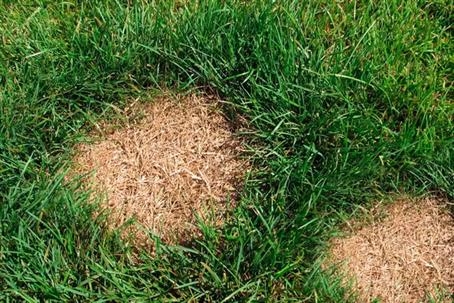
Pet waste can affect your soil health with hazardous bacteria. Over long periods of time, pet waste will create ugly brown spots, thin out the grass in your yard, produce higher levels of nitrogen, and finally affect the overall balance the grass needs to flourish!
In this blog, we’ll discuss why pet waste is so harmful, how the waste deteriorates grass and soil, and the professional pet waste removal company in Denver that can fix and preserve the grassy areas of your yard.
The Myth: Pet Waste is a Natural Fertilizer
Many people believe that pet waste can provide nutrients to the soil, similar to cow manure. While dog and cat foods are high in protein and processed, their waste contains high nitrogen and phosphorus content. Instead of nourishing your lawn, it burns it.
If left untreated, pet waste generates concentrated doses of toxicity that will kill grass and encourage weeds. Take into consideration the emphasis that professional services like lawn care services in Denver put on the importance of regular waste management in a healthy lawn care program.
How Pet Waste Kills Grass
Nitrogen Burns
Pet waste has concentrated nitrogen, and although nitrogen is important in controlled amounts (like with fertilizers), too much in one place is actually harmful, burning the grass and leaving yellow or brown spots that will take time to repair.Soil Imbalance
The excessive nitrogen and acidic compounds change the chemistry of the soil, which does not permit the grass to recover properly and absorb nutrients. In the long run, the “dead zones” will become larger if the waste is not disposed of.Water Contamination
Rainwater will wash pet waste residue into storm drainage systems and eventually contaminate water systems. This is harmful not only to the environment but also facilitates the spread of bacteria across your lawn.Pest Attraction
Pet waste on lawns attracts insects and rodents. Both insects and rodents will cause further damage to turf and increase disease.
If left untreated, all of these factors will compromise the integrity of your lawn’s root system, ultimately making it less resilient to drought and the temperature swings of Denver's seasons.
The Hidden Health Hazards of Pet Waste
In addition to harming the lawn, pet waste poses risks. Pet waste contains harmful bacteria, which, as we already stated, can negatively affect us too. Bacteria such as E. coli, Salmonella, and parasites such as roundworms can transfer infections to humans and animals alike.
Air Quality: When pet waste breaks down, it releases ammonia, particularly during the summer. It smells bad and hurts the air quality.
Diseases spread by cross-contamination: Children, pets, or even shoes as they walk around can spread harmful pathogens into the household. Stepping in pet waste outside and then walking into the house brings contamination into your living environment.
This is why pet poop cleaning in Denver has become a vital lawn service to homeowners hoping for a safe, clean, and usable lawn.
Why Denver Lawns are Especially Susceptible to Increased Pet Waste
There are a number of factors that affect how pet waste impacts lawns in Denver.
Low Humidity: Because the climate is mostly dry, it's tougher for waste to break down to a safe level, allowing it to stay on the grass longer and cause a long-term problem.
Seasonal Weather Gradients: Denver experiences a wide range of extreme weather from hot summers to freezing winters. The grass conditions are already stressed, and this can make your lawn even more sensitive to significant chemical imbalances that pet waste may cause.
Water Restrictions: During dry months, there may be restrictions on how much water a homeowner can use. Reduced irrigation does not dilute the concentrated nitrogen levels of pet waste left on the lawn, making the damage even more significant.
Even a healthy lawn can be quickly impacted after repeatedly being in contact with pet waste without any remedial action taken.
Solutions: How to Protect Your Lawn
Picking Up Waste Regularly: The simplest solution is to pick up daily. Picking up every day means that nitrogen doesn’t build up to harmful levels, and you avoid exposing the area to harmful bacteria and organisms.
Pet Waste Removal Services: If picking up pet waste daily is unrealistic, consider hiring pet waste scooping services in Denver. This ensures your lawn stays clean all year round, and professionals can provide regularly scheduled cleanups to keep everything safe, healthy, and odor-free for your family, pets, and neighborhood.
Lawn Repair Services: For lawns already exhibiting signs of pet damage, professional lawn care services in Denver will offer treatments to reseed, aerate your lawn, and balance your soils to restore your lawn’s health and mitigate new damage.
Soil Treatments: The use of lime or soil conditioners will assist in neutralizing the chemical reactions of these acidic wastes, restore your soil pH, and allow grass to recover.
The Utility of Designated Areas: Designating a gravel or mulch-covered area of your yard for your pet to do its business can protect larger growing areas of the lawn from permanent damage.
Long-Term Strategies to Protect Your Lawn
A strong, healthy lawn will provide more protection from stress caused by pets. Homeowners can assist the health of their lawns all year round by:
Fertilization Plans: Regular fertilizing helps replenish nutrients and reverse some nitrogen damage.
Aerating & Overseeding: Regularly aerating the soil improves the ability of the ground to absorb water and helps patch thin areas.
Consistent Watering: Regular watering, even just a little bit, can help dilute nitrogen waste and provide time for grass recovery.
Professional Lawn Packages: A comprehensive lawn care package from a team of lawn care professionals who specialize in residential pet waste removal services in Denver will take care of everything your lawn needs to remain healthy and vibrant.
The Martinez Home: A Case Study
A Denver family loved their two Labradors, but the Martinezes also loved their backyard before their pets destroyed it. When they finally noticed that their lively, green backyard was now a patchwork of yellow patches and bare spots, they decided to take action.
The Martinezes had been cleaning up their dogs’ waste, but only once or twice a week. They felt overwhelmed because of the ongoing spread of damage. They decided to contact Heroes Lawn Care Denver, who provided the owners with a professional pet waste removal service alongside overseeding and soil treatments.
Within a few months, the lawn was noticeably recovering. By the following season, their yard was vibrant and green again. Through continued care, the family continued to enjoy a pet-friendly, beautiful lawn without the worry of damage.
This real-life example illustrates how hiring professionals can repair the damage and help prevent it from happening again.
Why Professionals are Better than DIY Backyard Dog Waste Cleanup
While there are certainly steps homeowners can take by themselves, professional services offer distinct benefits:
Timeliness: Scheduled cleanups remove waste before accumulation.
Experience: Professionals have knowledge of Denver's soils, climate, and grass species.
Equipment: Professional tools and techniques achieve the quickest results.
Comprehensive Service: Along with waste removal, fertilization, aeration, and other treatments ensure the longevity and vitality of your lawn.
For Denver homeowners, if they search for pet waste cleanup in Denver, they can identify reliable professionals to promote both prevention and restoration of their yard.
Conclusion
Pet waste is more damaging to your lawn than people realize. Waste can burn grass, change the chemistry of soils, introduce bacteria, and attract pests. Most of the garden damage that happens due to pet waste is permanent if left unattended. In Denver's unique climate, where lawns experience many challenges each season, proactive management is the only way to keep your yard healthy, green, and safe.
Daily cleanups, designated areas for pets, and professional lawn care are proven solutions that protect your outdoor spaces and create safer environments for families and pets to enjoy. With proper planning and help, a homeowner can have a thriving lawn and yard without giving up their pet.
About Heroes Lawn Care
Heroes Lawn Care is Denver's trusted choice for lawn care responsibilities. We focus on dog poop removal, fertilization, irrigation, and lawn treatment to help homeowners attain greener, healthier lawns every month of the year. We provide professional treatment and care plans specific to Denver's unique climate that help homeowners keep beautiful, safe, and pet-friendly outdoor spaces.
If you require regular lawn cleanups or full-service lawn restoration, you can count on Heroes Lawn Care experts to provide you with solutions while being reliable, professional, and your partners in delivering top-notch lawn care. Contact us today to schedule a lawn care service.