
Natural Pest Control Methods for Your Lawn and Garden
Mosquito control begins with understanding how your lawn and garden create the conditions insects need to thrive. Mosquitoes are not random visitors; they are attracted to shaded, humid, and poorly drained areas where standing water and dense vegetation provide protection. A healthy outdoor space requires more than occasional spraying. It depends on thoughtful maintenance, proper water management, and consistent observation of the areas where pests tend to reproduce. When homeowners treat the yard as an ecosystem, natural pest reduction becomes more effective and less reactive.
A strong mosquito control strategy should focus first on prevention. Instead of waiting until outdoor spaces become uncomfortable, homeowners can reduce pest pressure by removing breeding sites, improving airflow, trimming overgrown vegetation, and managing moisture around lawns, garden beds, patios, and fence lines. Natural mosquito treatment options work best when they are supported by clean landscape habits and routine inspections. Heroes Lawn Care approaches mosquito control as part of broader outdoor care, where plant health, drainage, lawn maintenance, and pest prevention work together.
The most effective mosquito control plans combine natural methods with practical outdoor insect management solutions. This may include standing water mosquito reduction, plant-based deterrent strategies, seasonal mosquito prevention programs, and targeted yard pest control treatments when necessary. The goal is not to sterilize the landscape, but to make the yard less attractive to mosquitoes while preserving the comfort and usability of outdoor living areas.
Understanding Why Mosquitoes Thrive in Lawns and Gardens
Mosquitoes thrive in environments where moisture, shade, and shelter are available at the same time. Lawns with poor drainage, clogged gutters, overwatered beds, birdbaths, plant saucers, and low spots in the yard can all create breeding opportunities. Even small amounts of standing water can support mosquito activity if left undisturbed. Garden areas with dense foliage may also create humid pockets where adult mosquitoes rest during the day before becoming active in the evening.
Natural pest control begins by identifying these conditions and correcting them before mosquito populations increase. Standing water mosquito reduction should be one of the first priorities in any yard inspection. Homeowners should check containers, drainage areas, downspout exits, toys, planters, and low lawn sections after rain or irrigation cycles. By removing stagnant water and improving airflow, the yard becomes less hospitable to mosquitoes without relying entirely on chemical treatments.
Natural Landscape Practices That Reduce Mosquito Pressure
A well-maintained landscape can naturally reduce mosquito activity by limiting the places mosquitoes use for shelter and reproduction. Regular mowing, trimming, pruning, and bed cleanup help expose humid hiding areas to sunlight and airflow. Overgrown shrubs, tall grass along fences, and dense groundcover can create protected zones where mosquitoes remain during the heat of the day. Keeping these areas maintained is one of the simplest and most effective outdoor insect management solutions.
Seasonal yard cleanup also plays an important role in prevention. Leaves, clippings, and organic debris can trap moisture, especially around garden beds and shaded corners. Removing this material helps reduce humidity at the soil surface and discourages pests from settling in. Natural mosquito treatment options are more effective when the landscape itself is maintained in a way that limits mosquito habitat. Heroes Lawn Care uses this type of prevention-first thinking to support cleaner, healthier outdoor spaces.
Using Water Management as a Pest Control Tool
Water management is one of the most important natural tools for reducing mosquitoes. Irrigation systems that run too often or spray unevenly can leave wet areas in the lawn and garden, creating ideal conditions for pest activity. Homeowners should monitor whether water is pooling near sidewalks, patios, downspouts, planting beds, or low sections of turf. If water remains visible long after irrigation or rainfall, the yard may need drainage adjustments or changes to watering schedules.
Standing water mosquito reduction should also include checking hidden sources of moisture. Clogged drains, leaky hoses, decorative containers, pet bowls, and poorly graded landscape areas can all contribute to mosquito problems. Good water management supports both lawn health and mosquito prevention. When the yard drains correctly and irrigation is properly calibrated, turf and plants receive the moisture they need without creating unnecessary breeding sites.
Plant-Based and Natural Mosquito Treatment Options
Certain plants are commonly associated with mosquito deterrence, including citronella grass, lavender, rosemary, basil, mint, and marigolds. While these plants alone will not eliminate mosquitoes, they can support a broader natural pest control plan when used strategically around patios, garden borders, seating areas, and outdoor living spaces. Garden placement matters because the scent and oils from these plants are most useful when they are near areas where people gather.
Natural mosquito treatment options should be viewed as supportive methods rather than complete solutions. Plant-based strategies work best when combined with yard maintenance, water control, and periodic inspections. Homeowners should avoid relying on one tactic alone, because mosquitoes reproduce quickly when conditions are favorable. A layered approach creates better long-term results by reducing breeding sites, improving landscape conditions, and making outdoor spaces less attractive to pests.
Seasonal Mosquito Prevention for Outdoor Living Areas
Mosquito activity changes throughout the year, which is why seasonal mosquito prevention programs are valuable for homeowners who want more consistent protection. Warm, humid months typically create the highest mosquito pressure, especially after rainfall or heavy irrigation. During these periods, outdoor living space pest protection should include more frequent inspection of shaded zones, drainage points, and plant-heavy areas. Prevention is most effective when it begins before mosquito populations peak.
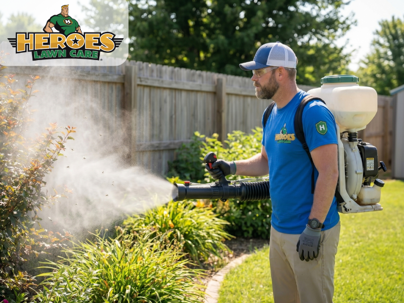
Backyard mosquito treatment services may also be useful when natural methods are not enough to keep outdoor areas comfortable. Mosquito barrier spray applications can help reduce adult mosquito activity around patios, fences, shrubs, and gathering spaces. The best results come when these treatments are paired with natural prevention practices, not used as a substitute for yard maintenance. A clean, well-managed landscape allows treatments to perform more effectively and last longer.
When Professional Outdoor Bug Control Makes Sense
Professional outdoor bug control becomes especially useful when mosquito activity remains high despite regular cleanup, water management, and natural prevention efforts. Some properties have environmental conditions that make mosquito control more complex, such as heavy shade, nearby water sources, dense vegetation, or drainage issues. In these cases, residential insect control services can help identify the source of the problem and apply targeted solutions that fit the property’s needs.
Professionals can also help homeowners avoid overapplying products or treating the wrong areas. Effective yard pest control treatments should focus on known resting zones, breeding risks, and high-use outdoor spaces. Heroes Lawn Care can help integrate mosquito prevention with broader lawn and landscape care, ensuring that pest management supports the health and comfort of the entire yard rather than acting as a disconnected service.
Building a Natural Pest Control Routine
A successful mosquito control routine should include weekly observation, seasonal cleanup, careful irrigation management, and targeted treatment when needed. Homeowners should walk the yard regularly, checking for standing water, shaded damp areas, overgrown vegetation, and places where debris may be trapping moisture. This habit helps prevent mosquito problems before they become more difficult to manage.
Natural mosquito treatment options are strongest when they are consistent. Combining standing water mosquito reduction, plant-based deterrents, lawn care, pruning, and outdoor living space pest protection creates a more resilient yard environment. Mosquito control should feel like part of normal landscape maintenance, not a last-minute response when the backyard becomes uncomfortable.
Conclusions
Mosquito control for lawns and gardens works best when it begins with natural prevention. By reducing standing water, improving airflow, maintaining turf, trimming dense vegetation, and using supportive plant-based strategies, homeowners can make their yards less attractive to mosquitoes while preserving a healthy outdoor environment. These methods also improve the overall condition of the landscape, making the space cleaner, safer, and more enjoyable.
For stronger results, mosquito control can be combined with backyard mosquito treatment services, seasonal mosquito prevention programs, and professional outdoor bug control when conditions require additional support. The key is to use treatments strategically and pair them with consistent landscape maintenance. A well-planned approach protects outdoor comfort while supporting a healthier lawn and garden through every season.