Organic Lawn Pest Control Services in Jonestown, TX
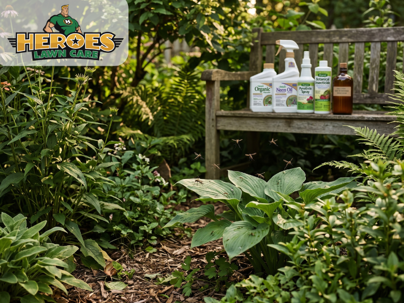
Organic lawn pest control in Jonestown, TX requires more than applying a treatment when insects become noticeable. A knowledgeable landscaping company understands that pests are usually responding to deeper conditions in the yard, such as excess moisture, overgrown vegetation, poor drainage, weak turf, or unmanaged garden beds. When these conditions remain unresolved, insects can return quickly, even after temporary treatments. A healthier approach begins by improving the outdoor environment so pests have fewer places to breed, hide, and spread.
A professional landscaping company looks at pest control as part of the full landscape system. Lawns, soil, shrubs, flower beds, patios, irrigation zones, and drainage patterns all influence insect activity. In Jonestown, where shaded properties, rocky terrain, and moisture pockets can create pest-friendly conditions, organic methods work best when paired with consistent lawn and landscape maintenance. Heroes Lawn Care helps property owners think beyond quick fixes by focusing on healthier, cleaner, and better-balanced outdoor spaces.
The role of a landscaping company is especially important when homeowners want pest control that supports both comfort and curb appeal. Organic pest control should not damage the lawn, weaken plants, or interfere with how the yard is used. Instead, it should work alongside landscape design services, garden design and planning, seasonal yard cleanup services, and property landscape maintenance. When these pieces are coordinated, the yard becomes less inviting to pests while remaining attractive, functional, and enjoyable.
Why Organic Pest Control Starts with a Healthy Landscape
Organic pest control begins by improving the conditions that help the landscape defend itself. Weak turf, compacted soil, excessive thatch, and neglected beds can create ideal hiding places for insects. When grass is thin or stressed, pests have easier access to the soil surface and root zone. When shrubs are dense or garden beds are full of damp debris, insects gain the shade and moisture they need to remain active. A healthy landscape does not eliminate every pest, but it makes the yard less vulnerable to recurring infestations.
Lawn maintenance professionals often begin by evaluating mowing habits, irrigation patterns, soil condition, and plant density. Proper mowing height supports stronger turf, while balanced watering prevents both drought stress and excessive moisture. Seasonal yard cleanup services also play an important role because fallen leaves, clippings, and decaying organic material can trap humidity near the ground. By improving these basic conditions, organic pest control becomes more effective and more sustainable.
Managing Water, Drainage, and Moisture Around the Yard
Moisture management is one of the most important factors in organic pest prevention. Many insects are attracted to damp, shaded, or poorly drained areas. In Jonestown, sloped lots and uneven soil conditions can cause water to collect in low areas after rain or irrigation. If these wet zones remain untreated, they can contribute to mosquito activity, soil pests, plant stress, and lawn decline. Organic pest control is much stronger when water movement is addressed first.
Yard drainage solutions can help redirect excess water away from problem areas and improve the overall health of the lawn. This may involve grading adjustments, drainage features, downspout management, or better irrigation scheduling. Irrigation system installation should also be planned carefully so turf and planting beds receive enough water without becoming saturated. When the yard drains correctly, pest pressure often decreases because the landscape no longer provides the same level of moisture and shelter.
How Garden Design Can Reduce Pest Pressure
Garden design and planning can make a significant difference in long-term pest prevention. Poorly spaced plants, dense shrubs, and crowded beds restrict airflow and create protected areas where insects can hide during the day. A better design allows air and sunlight to move through the landscape while still preserving beauty and privacy. This balance is essential for homeowners who want an organic approach because pest prevention depends heavily on environmental control.
Landscape design services can help organize plantings, pathways, turf zones, and outdoor features in a way that reduces pest habitat. Choosing appropriate plants, spacing them correctly, and keeping beds accessible for maintenance all support healthier conditions. Heroes Lawn Care uses this type of landscape-aware approach to help homeowners create outdoor areas that are easier to maintain and less likely to invite recurring pest problems.
Organic Lawn Care Practices That Support Pest Control
Organic lawn pest control works best when supported by consistent lawn care habits. Healthy grass is more resilient, recovers faster from stress, and provides fewer openings for pests to exploit. Proper mowing, aeration, fertilization, irrigation control, and cleanup all contribute to a lawn that can resist damage more effectively. Instead of treating pest control as a separate service, homeowners should view it as part of the broader maintenance cycle.
Turf and sod installation may also be necessary when sections of the lawn are too damaged, thin, or poorly suited to the site. Struggling turf can become a repeated pest and weed problem because bare soil and weak grass offer less natural protection. In some cases, replacing damaged grass with stronger sod or reworking the soil before installation can create a better foundation. Organic pest control is easier when the lawn itself is healthy enough to compete and recover.
Outdoor Living Spaces and Pest Prevention
Outdoor living spaces often attract the most attention because they are where homeowners feel pest problems most directly. Patios, seating areas, walkways, play areas, and outdoor kitchens should be clean, dry, and easy to maintain. If nearby shrubs are overgrown, drainage is poor, or turf is constantly damp, insects can make these spaces uncomfortable. Organic pest control should therefore include the areas surrounding outdoor living zones, not only the lawn.
Outdoor living space installation and hardscape installation services can help reduce pest-prone conditions when designed correctly. A well-placed patio or pathway can reduce foot traffic damage on grass, while proper grading around hardscape features can prevent water from collecting near seating areas. The strongest designs combine comfort with maintenance practicality. A beautiful outdoor space should also be easy to keep clean, dry, and protected from pest-friendly conditions.
Residential and Commercial Pest Control Needs
Residential properties usually require pest control strategies that protect family spaces, pet areas, gardens, and backyard gathering zones. Homeowners often want organic solutions that feel responsible while still producing noticeable improvements. Residential pest prevention should focus on reducing habitat, improving lawn health, managing water, and maintaining clean garden beds. These steps help preserve comfort without relying only on repeated chemical-heavy treatments.
Commercial properties have different expectations. Businesses, shared outdoor areas, and managed landscapes need consistent presentation and safe, usable spaces for visitors or tenants. Property landscape maintenance becomes especially important because neglected areas can quickly affect curb appeal and customer perception. Commercial pest prevention often benefits from scheduled inspections, regular cleanup, irrigation review, and coordinated landscape maintenance.
Building a Long-Term Organic Pest Control Plan
A long-term pest control plan should be practical, consistent, and connected to the way the property is actually used. A landscaping company can help identify recurring problem areas, such as damp corners, overgrown beds, weak turf, drainage failures, or poorly placed plants. Once those patterns are understood, pest control becomes less reactive and more strategic. The goal is not simply to reduce insects for a few days, but to change the conditions that allow pest pressure to keep returning.
A landscaping company can also help determine when organic maintenance is enough and when larger improvements are needed. Residential landscape upgrades, turf and sod installation, yard drainage solutions, and garden redesign may all be part of a stronger long-term solution. Heroes Lawn Care supports this kind of integrated planning by helping property owners create healthier outdoor spaces that naturally reduce pest-friendly conditions while improving the overall appearance and function of the yard.
Conclusions
Organic lawn pest control in Jonestown, TX is most effective when it is supported by smart landscape care. A landscaping company can help homeowners understand why pests are appearing, where moisture or overgrowth is contributing to the problem, and which maintenance steps will create the greatest long-term improvement. Healthy turf, clean garden beds, proper drainage, and consistent upkeep all make the yard less attractive to insects.
The best results come from treating pest control as part of a complete outdoor maintenance strategy. A landscaping company can combine landscape design services, irrigation system installation, seasonal yard cleanup services, hardscape installation services, and property landscape maintenance to create a cleaner, healthier, and more comfortable yard. With a thoughtful organic approach, homeowners can reduce pest pressure while protecting the natural beauty and usability of their outdoor spaces.